
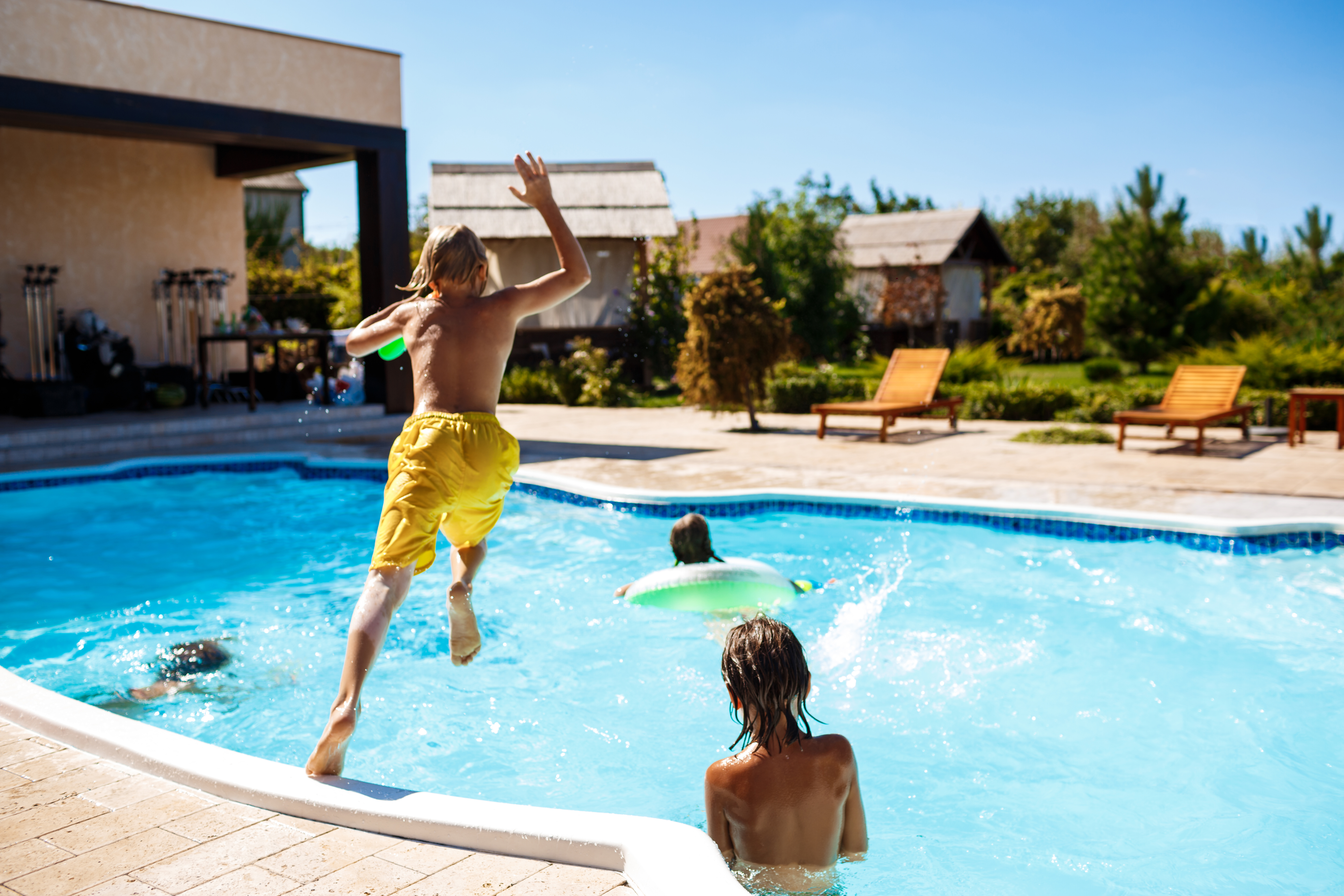
Backyard Pools, Trampolines, and Liability: What Homeowners Should Know
Summer invites long days outdoors, backyard gatherings, and plenty of fun around the house. However, popular additions like pools, trampolines, and play structures can also raise liability concerns for homeowners. Understanding how these features affect your insurance and what steps you can take to reduce risk can help you enjoy the season with greater confidence. By reviewing your policy, applying recommended safety practices, and staying informed about legal concepts such as attractive nuisances, you can better protect your home and your peace of mind.
This guide breaks down how homeowners liability insurance works, what requirements may apply to backyard features, and how simple safety measures can make a major difference.
What Homeowners Liability Insurance Typically Covers
Most homeowners insurance policies include personal liability protection, which can help cover costs if someone is hurt on your property and you are legally responsible. This may include medical bills, legal expenses, or settlement costs tied to a claim.
The Insurance Information Institute notes that many standard policies start liability limits around $100,000, although homeowners often choose higher limits for added security. Because features like pools and trampolines can increase the risk of injuries, ensuring your coverage is adequate becomes especially important.
Even with liability coverage in place, insurers expect homeowners to take reasonable steps to maintain a safe environment. If proper precautions are not followed, it may affect the outcome of a claim.
Understanding the Concept of an Attractive Nuisance
An important principle for homeowners to understand is the idea of an "attractive nuisance." This refers to objects or conditions on a property that may draw children in but also pose a danger.
Common examples include:
- Swimming pools
- Trampolines
- Treehouses
- Play areas and swing sets
Because children may not fully grasp the risks, the law often places more responsibility on homeowners to protect them. In many areas, local ordinances and insurance companies require safety measures such as pool fencing, locking gates, or protective covers to reduce hazards. Taking these steps not only improves safety but also demonstrates responsible property management.
Policy Requirements and Possible Coverage Gaps
Insurance companies vary in how they handle backyard features, which means certain items may require specific safety precautions—or may even face exclusions.
For example, many insurers require pools to be enclosed by a fence with a self-latching gate. Without these safeguards, a pool-related injury claim may not be covered. Trampolines also carry unique requirements; some insurers mandate safety nets or padding around the structure, while others may exclude trampoline liability entirely.
Playground equipment, too, can present risks if it is not installed securely or maintained regularly. Following manufacturer instructions and performing periodic inspections can help reduce potential issues.
Because every policy is structured differently, reviewing your coverage with an insurance professional is the best way to identify any conditions, exclusions, or required safety features that apply to your home.
Simple Ways to Reduce Backyard Risks
Your insurance policy is important, but preventing accidents should always be the first line of defense. Fortunately, several practical measures can significantly improve safety around backyard features.
Installing required safety equipment is a strong starting point. Fences around pools, netting on trampolines, and secure, well-anchored play structures can help reduce risk. Gates that automatically latch help prevent children from wandering into unsafe areas unsupervised.
Performing routine inspections is equally crucial. Outdoor equipment can deteriorate with use or weather exposure. Checking for damaged components, loose bolts, worn padding, or structural issues can help you catch minor problems before they lead to injuries.
Posting clear rules and reminders—such as pool safety signs, depth indicators, or posted guidelines—can promote safer use among guests.
Above all, attentive supervision remains one of the most effective safety strategies, especially when children are near water or elevated play structures.
Why Keeping Documentation Matters
An often overlooked part of maintaining a safe property is documenting the steps you take. Should a claim arise, having proof of safety measures can support your position and demonstrate that you acted responsibly.
Helpful records may include:
- Photos of fences, gates, and safety installations
- Maintenance logs for pools, trampolines, and playground equipment
- Receipts for safety upgrades or repairs
- Notes from regular inspections
While documentation alone cannot eliminate liability, it can help show that you consistently maintained a safe environment.
A Quick Backyard Safety Checklist
Before summer activities begin, reviewing a simple safety checklist can be a smart way to identify gaps and strengthen protection:
- Ensure pools and other high-risk features have required barriers or enclosures
- Verify that all gates are self-closing and latch securely
- Inspect trampolines, playground structures, and equipment for wear or damage
- Repair or replace broken components promptly
- Keep documentation of inspections and safety-related upgrades
- Review liability limits and any exclusions in your homeowners policy
Protecting Your Home and Your Peace of Mind
Pools, trampolines, and backyard features can make summer more enjoyable for families and friends, but they also come with added responsibility. With the right precautions and proper coverage in place, you can enjoy your outdoor space while minimizing potential risks.
If you’re unsure whether your current homeowners insurance offers the protection you need, scheduling a policy review can help. An insurance professional can clarify requirements, identify any coverage gaps, and make sure your liability limits align with your situation.
If you’d like help reviewing your homeowners policy or discussing liability coverage, reach out today. A brief conversation can help ensure that your summer fun stays safe and worry-free.