
Back-to-School Traffic Safety Tips for August
Quick Summary: August is National Traffic Awareness Month and a timely reminder that back-to-school traffic requires extra care. As buses return, school zones fill up, and more children walk or bike, drivers, parents, and students all have a role in preventing avoidable accidents. A few consistent safety habits can make the school commute safer for everyone.
As summer comes to a close, streets and neighborhoods begin to change. Morning travel becomes more crowded, school zones become active again, and families settle into new routines. For Olson Insurance Agency, LLC, National Traffic Awareness Month is an opportunity to encourage drivers and families to approach the back-to-school season with patience, awareness, and care.
The start of the school year brings one of the most noticeable changes in traffic all year. School buses resume their routes, more children travel on foot or by bicycle, and student drivers are back on the road. With so much activity happening at once, everyone benefits when road safety remains a daily priority.
Why School Season Changes the Roadway
When classes begin again, roads that may have been quieter over the summer quickly become busier. Pedestrians, bicyclists, buses, and parent drop-off traffic all increase, particularly around schools during the morning and afternoon hours. These changing conditions can create more opportunities for confusion and unexpected movement.
Drivers may need to respond to frequent stops, crowded intersections, and children crossing near schools. Younger children may not always recognize traffic hazards or make the safest choices near a roadway. Understanding that routines and traffic patterns have changed is an important first step toward reducing risk.
Give School Buses the Space They Need
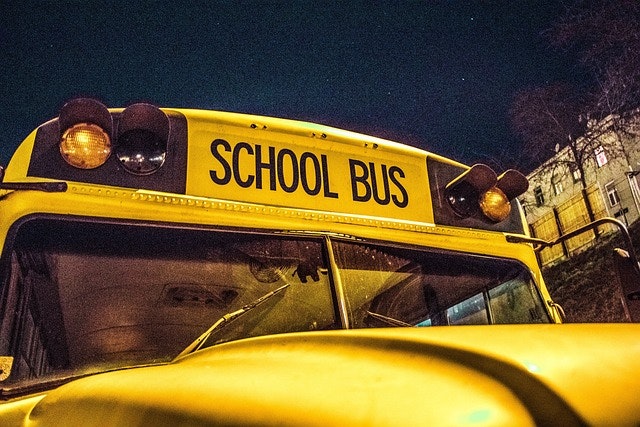
School buses are essential to getting students to and from school, but they require drivers to be especially alert. Maintaining a safe following distance is important, particularly because the area within 10 feet in front of and behind a bus can be especially dangerous for children entering or leaving the vehicle.
Leaving room behind a bus gives drivers more time to react when it slows or stops. A child may step into the street unexpectedly or be difficult to see because of a blind spot. Staying patient, reducing speed, and being ready when a bus signals to stop can help prevent a serious accident.
Watch Carefully for Walkers and Riders
During the school year, more children walk or bike along neighborhood streets and near school campuses. Drivers should yield at crosswalks and never pass a vehicle that has stopped for a pedestrian. That pause may be protecting someone who is not visible from every direction.
Young cyclists can be difficult to predict. A child on a bike may come out of a driveway or appear from behind a parked vehicle with little warning. Moving carefully in areas where children ride and continuously scanning the surroundings can help drivers respond safely.
Awareness also matters after parking. Before opening a vehicle door, drivers should check mirrors and look for an approaching cyclist. This brief extra step can help prevent a collision and supports a safer environment for everyone sharing the road.
Use Safe School Drop-Off and Pick-Up Routines
Drop-off and pick-up areas can become crowded quickly when school is in session. Following the procedures established by the school is one of the best ways parents and caregivers can help traffic move safely and efficiently.
Predictable routines reduce uncertainty. When each driver follows the same traffic pattern, others are better able to anticipate where vehicles will move and where children may be walking. Stopping in unauthorized locations or interrupting traffic flow can create unnecessary hazards.
Parents and caregivers make an important difference by allowing a few additional minutes for the correct process. Taking that time helps protect not only their own children, but also students, staff, and other families nearby.
Help Children Build Safer Road Habits
Drivers have a significant responsibility, but families can also help children learn how to act safely near traffic. Young children, especially those under age 10, should not be near roads by themselves. Adult supervision and repeated guidance can help them develop safer habits.
Children should practice stopping before a street, looking both ways, and listening for approaching vehicles. Choosing designated crosswalks improves visibility and reinforces a routine that drivers are more likely to expect.
Safety equipment is another important part of traveling to school. Children who use bicycles or scooters should wear helmets and kneepads. Keeping mobile devices and other distractions out of the way can also help them stay attentive around vehicles and intersections.
Practicing these behaviors early can protect children today while helping establish safer decision-making as they become more independent road users in the future.
Road Safety Is Everyone’s Responsibility
A safer back-to-school season depends on a shared effort from drivers, parents, and children. Paying attention, following traffic rules, and considering the people around us can lower the chance of an accident during an especially busy time of year.
Small choices matter. Slowing down in school zones, checking twice for pedestrians, and giving buses appropriate space are simple actions that protect some of the most vulnerable people on the road. These habits show a collective commitment to safer communities.
As schedules change and traffic increases, a proactive mindset becomes even more valuable. Consistent attention and thoughtful driving can prevent unnecessary risks and make daily travel more manageable for everyone.
Prepare for a Safer School Year
Returning to school does not have to mean accepting more danger on the road. With added awareness and deliberate choices, families and drivers can navigate this active season more safely. The goal is to recognize the risks, remain prepared, and make decisions that put safety first.
If you have questions about road safety, liability, or protecting yourself and your family, Olson Insurance Agency, LLC can provide personalized guidance and helpful insights to support a safer, more informed school year.